
How to Choose the Right Bath for Your Bathroom
author: Foshan Queenswood Kitchen & Bathroom Industrial Co.,Ltd
2026-01-14
Selecting the perfect bathtub is an important step in creating a comfortable and functional bathroom. With so many options available, understanding the differences between styles like freestanding bath, corner bath tub, and inset bath helps you choose the best fit for your space. This guide will walk you through what to consider when choosing a bathtub, including material choices such as acrylic bathtub and solid surface bathtub, as well as how to think about the size of the bathtub in relation to your bathroom layout.
Types of Bathtubs and Their Benefits
Freestanding Bath
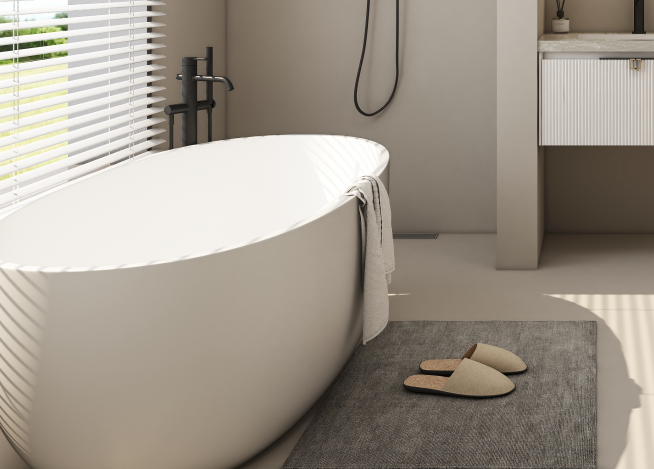
A freestanding bath is a popular choice for modern bathroom designs because it doesn’t require installation against a wall and can act as a focal point in the room. These tubs are ideal for larger bathrooms where style and space both matter. The freedom to position a freestanding bath in different parts of the room allows for flexible design and can create a luxurious atmosphere.
Whether you choose a classic claw-foot style or a contemporary silhouette, a freestanding bath adds personality and a sense of openness to your bathroom environment.

Corner Bath Tub
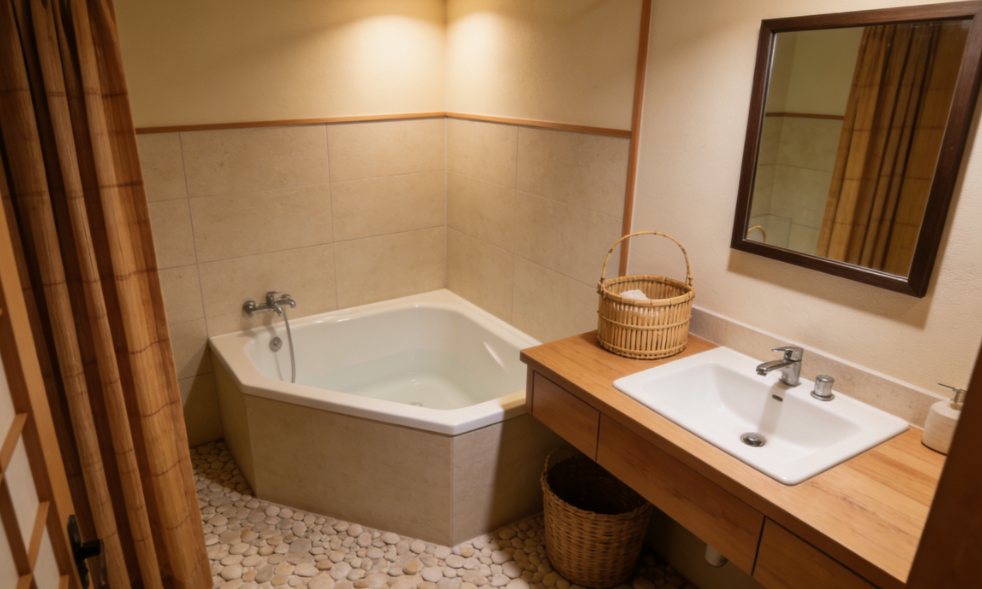
If you’re working with limited space but still want a functional bathing area, a corner bath tub might be the right solution. As the name suggests, these tubs are designed to fit neatly into a corner, making efficient use of space without sacrificing comfort. Corner bath tubs can vary in size and shape, but they generally offer a roomy bathing experience while leaving more floor area open.
Because of their shape, corner bath tubs often feel larger than they are and can be paired with stylish fixtures to enhance a compact bathroom.
Inset Bath
An inset bath (also called a built-in tub) is installed flush with the surrounding walls and cabinetry. This design works well in traditional and transitional bathrooms, and it makes cleaning around the tub easier. Inset baths can be combined with tile or panel surrounds, giving you flexibility in color and finish choices. If you prefer a seamless look with integrated storage or shelving around the tub, an inset bath is worth considering.

Bathtub Materials: What to Know
Acrylic Bathtub
One of the most common choices on the market today is the acrylic bathtub. Acrylic tubs are lightweight, warm to the touch, and relatively easy to install. They are also resistant to chipping and cracking, making them a practical choice for many homeowners. If you want a balance of durability, aesthetics, and comfort, an acrylic bathtub offers excellent value.
You’ll find acrylic bathtubs in a variety of shapes and sizes, from compact designs for small bathrooms to large tubs for a more luxurious experience.


Solid Surface Bathtub
For a premium look and feel, consider a solid surface bathtub. These tubs are made from composite materials that feel smooth and sturdy. Solid surface bathtubs often retain heat longer than other materials, which can make your bathing experience more enjoyable. They also have a seamless appearance that pairs well with minimalist and contemporary designs.
While typically more expensive than acrylic options, solid surface bathtubs offer long-term durability and a high-end aesthetic.
How to Consider the Size of the Bathtub
Selecting the right size of the bathtub is about balancing comfort with space efficiency. In a small bathroom, a compact tub allows for better traffic flow and leaves room for other fixtures. Larger bathrooms, on the other hand, can accommodate a spacious model like a freestanding bath or a generously sized corner bath tub.
-
Measuring the Right Size of the Bathtub: Always match the size of the bathtub to your bathroom's proportions. Standard lengths range from 1,500mm to 1,800mm. Use tape to mark out the footprint on your floor, ensuring it doesn't block door swings or traffic flow to other fixtures.
-
Comfort and Function First: Be honest about the tub's primary purpose. Is it for deep relaxation, bathing children, or quick showers? Test comfort by simulating a reclining position in the showroom. Remember, a large freestanding bath might be dreamy, but a practical inset bath or corner bath tub could be the smarter daily driver.
Key Takeaways
-
A freestanding bath creates a stylish focal point and works best in larger spaces.
-
Corner bath tubs maximize space efficiency in compact bathrooms.
-
An inset bath integrates well with traditional layouts and built-in storage.
-
Acrylic bathtubs are versatile, lightweight, and budget-friendly.
-
Solid surface bathtubs offer premium aesthetics and superior heat retention.
-
Always consider the size of the bathtub in relation to your bathroom’s layout before making a choice.
Frequently Asked Questions (FAQ)
Q1: What is the main drawback of a freestanding bath?
A: The main considerations are space and plumbing. A freestanding bath needs clear floor space around it for access and cleaning, and typically requires a specific floor-mounted tap set, which may involve more complex plumbing work compared to wall-mounted options.
A: The main considerations are space and plumbing. A freestanding bath needs clear floor space around it for access and cleaning, and typically requires a specific floor-mounted tap set, which may involve more complex plumbing work compared to wall-mounted options.
Q2: Is an acrylic bathtub durable enough?
A: Yes, a quality acrylic bathtub is reinforced with materials like fibreglass and steel for structural strength. It is resistant to chips and cracks under normal use and is easier to repair than some other materials if minor scratches occur.
A: Yes, a quality acrylic bathtub is reinforced with materials like fibreglass and steel for structural strength. It is resistant to chips and cracks under normal use and is easier to repair than some other materials if minor scratches occur.
Q3: How do I choose between an inset bath and a corner bath tub?
A: Choose an inset bath if your bathtub will be used as a shower base, as its design integrates with wall tiling to manage water. A corner bath tub is ideal for maximizing limited floor space, fitting neatly into a corner, but may not be suitable for showering over if not specifically designed for it.
A: Choose an inset bath if your bathtub will be used as a shower base, as its design integrates with wall tiling to manage water. A corner bath tub is ideal for maximizing limited floor space, fitting neatly into a corner, but may not be suitable for showering over if not specifically designed for it.
Q4: Why does the size of the bathtub matter beyond fitting the room?
A: The size of the bathtub directly impacts comfort (can you recline fully?), water usage (filling a larger tub costs more), and practicality (is it easy to get in and out of?). Always prioritize a tub size that matches the body type of the primary users and your household's water efficiency goals.
A: The size of the bathtub directly impacts comfort (can you recline fully?), water usage (filling a larger tub costs more), and practicality (is it easy to get in and out of?). Always prioritize a tub size that matches the body type of the primary users and your household's water efficiency goals.
About the Author
This article is written by a bathroom design professional with expertise in fixtures and fittings, including bathtubs, vanities, and space planning. With years of experience in helping homeowners balance comfort and style, the focus is on providing practical guidance for real-world bathroom choices.
 Solid Surface Thermoformed Integrated Basin (600–1500mm) — Seamless, Matte, Built for Hotels & Homes
  How to Choose Bathroom Accessories for a Modern Bathroom
  Why Freestanding Bathroom Vanities Remain a Popular Choice for Modern Bathrooms
  How to Choose a Freestanding Bathroom Vanity for Modern Spaces
  How to Choose the Right Quartz Countertop for Your Kitchen
  How to Plan a Complete Bathroom Solution for Your Project
  How to Choose a Reliable Bathroom Vanity Manufacturer
  What Buyers Look for in Modern Bathroom Solutions in 2026
  Bathroom Dimensions Guide for a Functional Layout
  Key Measurements for Designing a Modern Bathroom Vanity
  Kitchen Island Size and Layout Ideas for a Functional Kitchen
  How to Choose the Right Bathroom Wash Basin by Type and Structure
  How to Choose the Right Bathroom Wash Basin
  The Ensuite Dilemma: One Sink or Two? An Architect‘s Perspective
  Bathroom Essentials: Finding the Right Heights for Vanities, Mirrors & Showers
  Bathroom Mirror Dilemma? A Clear Guide to Choosing the Right One
  How to Shop for Bathroom Fittings Without the Stress
  Kitchen Cabinet Colors: How to Choose a Scheme That Lasts
  3 Popular Bathroom Trends That Need a Second Look
  Just Where Do You Put the Toilet? Smart Planning for Your Bathroom Layout